
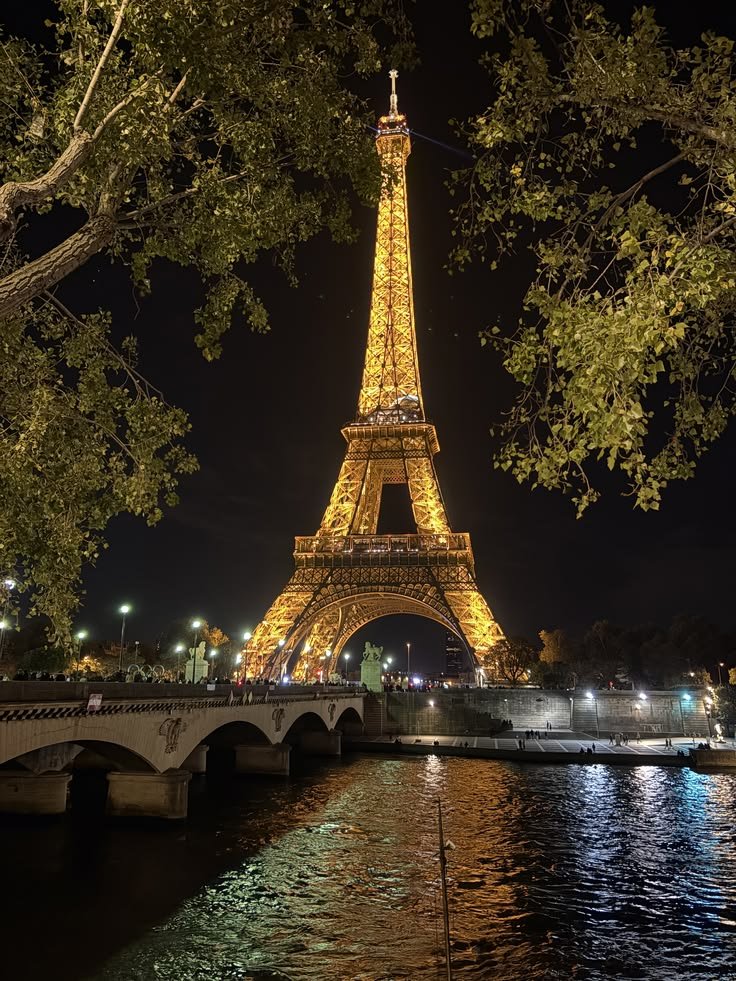
Paris has experienced an exceptionally hot summer in 2026, as France recorded its hottest summer since measurements began in 1900.
The prolonged heat has affected daily life in the capital, public spaces, tourism, transport, energy demand, and vulnerable residents. France also experienced several separate heatwave episodes during the summer, with temperatures reaching exceptionally high levels in many parts of the country.
Summer 2026 Was France’s Hottest on Record
According to Météo-France, the summer of 2026 was the hottest summer recorded in France since national measurements began in 1900.
The average temperature for June, July, and August reached 24.0°C, which was 3.6°C above the 1991–2020 average. Météo-France said this was significantly higher than the previous summer record.
The summer was also exceptionally dry, with national rainfall around 40% below normal.
France Experienced 53 Heatwave Days
Météo-France recorded 53 days of heatwave conditions during the summer of 2026, spread across three major episodes.
This was substantially more than the 33 heatwave days recorded during the summer of 2022.
The first major episode occurred from June 17 to June 30, followed by another from July 4 to July 19.
A third and particularly long heatwave lasted from July 28 to August 19, covering 23 days. Météo-France said its duration matched the longest heatwave previously recorded in France, in July 1983, while its intensity was greater.
Temperatures Reached Exceptional Levels
During the summer, temperatures exceeded 40°C in several parts of France.
The June heatwave was particularly intense, with up to 72 departments placed under red heatwave alert at its peak.
The July heatwave also produced extreme temperatures, while the August episode affected large parts of the country for an unusually long period.
Although Paris did not experience the highest temperatures recorded in the country, the capital faced prolonged periods of high heat that can be particularly difficult in a densely built urban environment.
Why Paris Can Feel Especially Hot
Cities such as Paris can experience the urban heat-island effect.
Buildings, paved roads, roofs, and other surfaces absorb heat during the day and can release it slowly at night. Limited vegetation in some urban areas can also reduce natural cooling.
As a result, nighttime temperatures can remain relatively high even after the sun has gone down.
This is important because cooler nights normally help the human body recover from daytime heat.
Parisians Look for Ways to Stay Cool
During periods of extreme heat, residents and visitors have used public spaces with water, shade, trees, and cooling systems to escape the hottest conditions.
Paris also operates Paris Plages, transforming sections of the banks of the Seine into temporary recreational and cooling areas during summer. In 2026, these spaces provided residents and tourists with places to spend time near the water during hot weather.
Public fountains, shaded parks, swimming facilities, and air-conditioned buildings can become particularly popular when temperatures rise.
Heatwaves Affect Vulnerable Residents
Extreme heat does not affect everyone equally.
Older people, people with certain health conditions, people living in poorly cooled housing, outdoor workers, and people without stable housing can face greater exposure to high temperatures.
An Associated Press report in September highlighted how the intense Paris summer affected people experiencing homelessness, who had fewer opportunities to escape the heat compared with people who could remain inside air-conditioned buildings.
France’s national health agency also reported excess deaths during several of the 2026 heatwave periods, underlining the public-health importance of prolonged extreme temperatures.
Summer Heat and Public Health
Heatwaves can put additional pressure on hospitals, emergency services, and healthcare systems.
The risk is particularly linked to prolonged exposure and insufficient nighttime cooling.
Public authorities therefore use heat alerts and health recommendations during periods of extreme temperatures.
In Paris, measures can include opening or extending access to cooling spaces, increasing monitoring of vulnerable people, and providing public information during heatwave alerts.
Heat and Tourism in Paris
Paris remains one of the world’s most visited cities, meaning extreme temperatures can affect tourists as well as residents.
Visitors may have to adjust their schedules by avoiding the hottest part of the afternoon, spending more time indoors, or choosing shaded locations.
Outdoor attractions can also become more challenging during periods of exceptional heat.
At the same time, parks, riverbanks, fountains, museums, and other cooler public spaces can become more popular.
The Impact on Outdoor Work
People working outdoors can face particularly difficult conditions during heatwaves.
Construction workers, delivery workers, street-maintenance teams, and other outdoor employees may spend several hours exposed to high temperatures.
Employers can therefore need to adjust working conditions, schedules, breaks, and access to water during extreme heat.
This issue is becoming more important as heatwaves become longer and more frequent.
Energy Demand Can Increase
Hot weather can also affect electricity demand.
When temperatures rise, households, offices, shops, hotels, and public buildings may use more air conditioning and cooling equipment.
This can increase electricity consumption during periods when demand is already elevated.
The combination of high temperatures and energy demand can therefore create additional pressure on urban infrastructure.
Water and Drought Pressure
The summer of 2026 was not only hot but also unusually dry.
Météo-France recorded rainfall around 40% below normal, making the summer the second driest summer on record after 2022.
Dry conditions can affect rivers, soils, vegetation, agriculture, and water availability.
For Paris, water management is particularly important because the city depends on a wider regional network of water resources.
Heat and Paris’s Green Spaces
Trees and vegetation can provide shade and contribute to cooling in urban areas.
During periods of severe heat and drought, however, vegetation can also experience water stress.
This creates a long-term challenge for cities seeking to expand green spaces while managing limited water resources.
Paris has continued to develop urban greening and cooling initiatives, but the extreme conditions of 2026 demonstrate the scale of the challenge presented by very hot and dry summers.
Climate Change and Extreme Heat
Scientists have linked the long-term increase in extreme heat to human-caused climate change.
Météo-France described the exceptional summer of 2026 as one that would have been virtually impossible without climate change, while also noting the role of short-term atmospheric conditions in producing the particular intensity of the summer.
This distinction is important: climate change changes the background conditions, while individual heatwaves are also influenced by atmospheric circulation and other weather patterns.
September Brings Another Period of Heat
The exceptional temperatures did not end with August.
Météo-France reported another notable period of high heat from September 3 to September 8, 2026.
National average temperatures during the episode were 4 to 5°C above normal, while several parts of southern France experienced temperatures above 35°C and locally around 40°C.
This late-summer heat added another period of unusually warm weather to an already exceptional year.
Paris and Urban Adaptation
The repeated heatwaves are increasing attention on how Paris can adapt to hotter summers.
Possible adaptation measures include:
- More trees and shaded areas
- Cooling public spaces
- Better insulation of buildings
- More water-access points
- Heat-resistant urban design
- Protection of vulnerable residents
- Changes to outdoor working conditions
The objective of these measures is to reduce exposure to extreme temperatures and make the city more resilient during future heat events.
Why Nighttime Temperatures Matter
One important feature of urban heat is the absence of sufficient nighttime cooling.
When temperatures remain high overnight, buildings can stay warm and residents may have difficulty recovering from daytime exposure.
This is particularly important during multi-day heatwaves.
Urban design, building materials, vegetation, ventilation, and access to cooler spaces can all influence nighttime conditions.
The Economic Effects of Extreme Heat
Extreme heat can also affect the wider economy.
Potential impacts include:
- Lower productivity for outdoor workers
- Higher cooling costs
- Agricultural losses
- Increased healthcare demand
- Damage to infrastructure
- Changes in tourism activity
The scale of the impact depends on the duration of the heatwave and the sectors affected.
France’s 2026 summer was particularly significant because extreme heat was combined with unusually low rainfall.
Key Climate Figures for 2026
| Indicator | 2026 Figure |
|---|---|
| Average summer temperature | 24.0°C |
| Temperature anomaly | +3.6°C |
| Heatwave days | 53 |
| Summer rainfall deficit | About 40% |
| Major summer heatwaves | 3 |
| Longest 2026 heatwave | 23 days |
| Record summer status | Hottest since 1900 |
The figures come from Météo-France’s summer climate assessment.
What Happens Next?
The experience of 2026 is likely to influence discussions about how French cities prepare for future extreme heat.
For Paris, important issues include:
- Expanding shade and vegetation
- Protecting vulnerable residents
- Improving buildings
- Maintaining reliable water supplies
- Preparing public services for prolonged heat
- Adapting urban planning
Future summers will vary, but the long-term climate trend means extreme heat is increasingly important for urban planning and public health.
Conclusion
Paris experienced an exceptionally hot summer of 2026, as France recorded its hottest summer since national records began in 1900.
Météo-France recorded an average summer temperature of 24.0°C, 53 days of heatwave conditions, and rainfall approximately 40% below normal.
The repeated heatwaves affected residents, tourists, outdoor workers, public services, and vulnerable populations across the country. Paris has responded through cooling spaces, public information, and longer-term urban adaptation efforts, while the extreme conditions have increased attention on the challenges of living in a warmer climate.
The experience of 2026 shows why heat adaptation, urban cooling, public health planning, and climate resilience are becoming increasingly important issues for Paris and other French cities.